Journal · 2026-10-27
Why Does Lip Blush Color Fade So Fast?
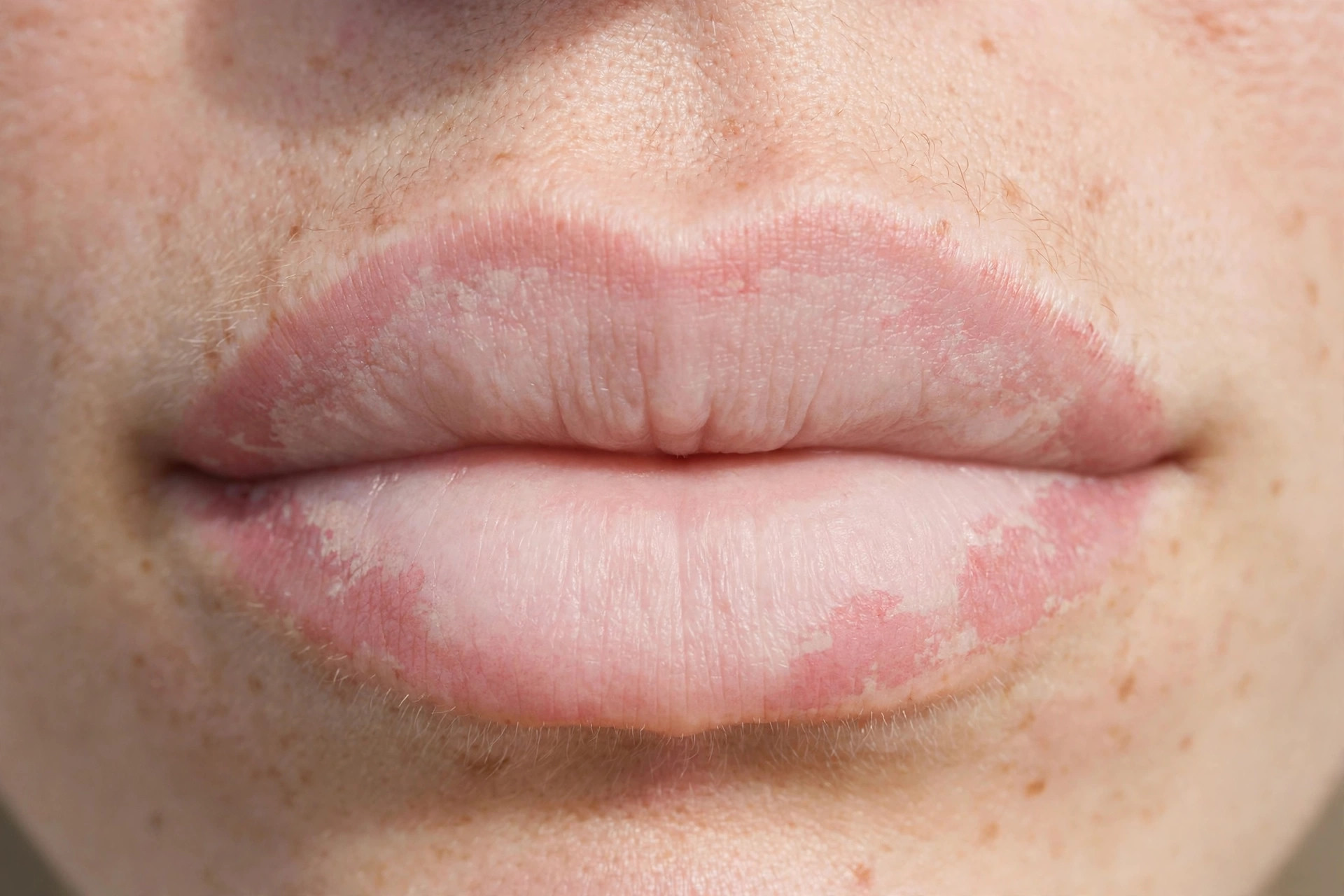
One of the most common messages I get a few weeks after a lip blush appointment goes something like this: "I loved it at first, but where did the color go?" The client is not angry, exactly — just worried that something went wrong. Here is the reassuring truth I always start with: some fading is not a problem. It is the process. But there is also fading that is faster than it should be, and knowing the difference will save you a lot of stress — and help you keep your color longer.
First, lips are not brows
The biggest reason lip color seems to vanish faster than brow color is that lips and brows are completely different canvases. Brow skin is relatively still, dry, and protected. Lip skin is the opposite: it is thin, constantly moving, always wet, and it turns over fast. You talk, eat, drink, smile, and lick your lips all day — every one of those actions is gentle wear on a healing tattoo.
There is also nowhere for the pigment to hide. On brows, pigment sits among hairs that help it read as fullness even as it softens. On lips, what you see is what you get: the color itself is the whole effect. So when lip pigment softens by the same amount brow pigment does, it simply looks like more — because there is no hair doing backup work.
The ghosting phase fools everyone
Almost every lip blush client goes through a phase that feels like the color disappeared. The first few days after your appointment, the color looks intense — sometimes shockingly so. Then the lips flake, and underneath, the color looks pale, patchy, or just gone. Clients panic at this stage more than any other.
That pale stage is normal. The surface has shed, and the true color is still settling underneath. Over the following weeks, the color blooms back — softer and more natural than day one, but very much there. Judging your lip blush during the flaking and ghosting weeks is like judging a cake halfway through baking. Wait for the full six to eight weeks before you decide how you feel about the result.
Why the touch-up matters more for lips than brows
This is the part clients most often underestimate. A first lip blush session lays down a base layer, but lips shed pigment more aggressively during healing than brows do — so the first session alone almost never gives you the final result. The touch-up session, usually six to eight weeks later, is where we even out the patches, deepen the color where it dropped, and lock the result in.
Clients who skip the touch-up and then say "it faded so fast" are usually describing an unfinished procedure, not a failed one. If you want lip color that actually sticks around, treat the touch-up as part of the appointment, not an optional extra. You can read more about how the full process works on our lip blush page.
What genuinely speeds up fading
Some fading is built in, but some of it is avoidable. These are the usual suspects I see in the studio:
Sun exposure. UV breaks pigment down, and lips almost never get sunscreen unless you deliberately put it there. A lip balm with SPF, used daily, is the single easiest thing you can do for your lip color.
Picking and peeling. Every flake you pull off early takes pigment with it. The flakes look harmless; the color underneath is not ready to be exposed yet. Leave them alone, even when it itches.
Harsh exfoliation and strong skincare. Aggressive lip scrubs, peels, and strong active products migrating onto the lip area during healing all strip color. Gentle is the rule for the first month — and honestly, for the life of the tattoo.
Skipping aftercare in week one. Too much water, steam, and sweating in the first days softens the healing skin and lets pigment escape before it settles. The boring first week is what buys you the pretty second year.
Your own skin and habits. Faster cell turnover, frequent lip licking, and very oily skin around the mouth can all nudge color out sooner. None of this means lip blush "does not work" on you — it just means your touch-up schedule matters more.
What is normal, and what is not
Normal fading looks like this: the color softens 30 to 50 percent from the fresh result, settles into a natural tint, and then slowly and evenly lightens over 1 to 3 years as it fades gradually. That slow fade is the design — permanent makeup is meant to be semi-permanent, so your face is never locked into one color forever.
Worth a conversation with your artist: big bare patches within the first month, color that vanished almost entirely after healing, or a tone that shifted somewhere you did not expect. Most of the time the fix is simple — a touch-up pass, or a color adjustment — but it is worth having the conversation instead of assuming it is hopeless.
One related note: if you are considering dark lip neutralization, expect a longer journey by design. Neutralizing deeper natural pigment takes multiple sessions, and each session fades and settles on its own schedule. Patience there is not optional — it is the technique.
How to keep your lip color longer
The short list I give every client: keep the touch-up appointment, wear SPF lip balm daily, do not pick or scrub aggressively, keep the first week boring, and come back for a refresh when the color starts to look tired rather than waiting until it is gone. A refresh on faded-but-present color is a much smaller job than rebuilding from zero.
And if you are still deciding whether lip blush is right for you, take the 60-second quiz — it will tell you honestly whether your lips and your expectations are a good match before you book anything.
Quick answers
Is it normal for lip blush to fade a lot after the first session?
Yes. The color looks intense for the first few days, then flakes and goes through a pale ghosting phase before settling over six to eight weeks. The touch-up session is where the color gets evened out and locked in — judge the result after healing and the touch-up, not during the flaky weeks.
Why does lip color fade faster than brow color?
Lip skin is thinner, wetter, constantly moving, and turns over faster than brow skin, and there are no hairs to help the color read as fullness as it softens. The same amount of pigment loss simply looks like more on lips than on brows.
How long does lip blush actually last?
It softens gradually and fades gradually over 1 to 3 years; exact fading depends on the pigment, your skin, and aftercare, depending on your skin, sun exposure, and aftercare. A touch-up every year or two keeps the color fresh; waiting until it is fully gone means rebuilding from scratch.
What can I do to make my lip blush last longer?
Keep your touch-up appointment, wear SPF lip balm daily, avoid picking flakes or aggressive scrubs, and keep the first healing week gentle — minimal water, steam, and sweating on the lips. Those four habits make the biggest difference.
Ready for easier mornings?
Start with a custom brow design and see your shape before you commit.